On June 17, Donald Trump and Iranian President Masoud Pezeshkian signed a 14-point Memorandum of Understanding (“MoU”) which declared an immediate end to the U.S.-Israeli war on Iran. This short document sets the basic terms for extending the current ceasefire and beginning further negotiations aimed at reaching a final peace agreement within the next 60 days (or longer if both sides agree). A new round of negotiations between the U.S. and Iran began on Sunday, June 21 in Switzerland. Yet tensions and conflicts between the Trump regime, Iran, and Israel are continuing, and the fate of the negotiations remain uncertain. Revcom.us will continue to cover this flashpoint of global contradictions.
The 14 points of this MoU reflect major concessions by the Trump regime, while leaving the regime’s stated objectives in the war unmentioned and unfulfilled. Instead, the MoU promises new and important benefits to Iran, including:
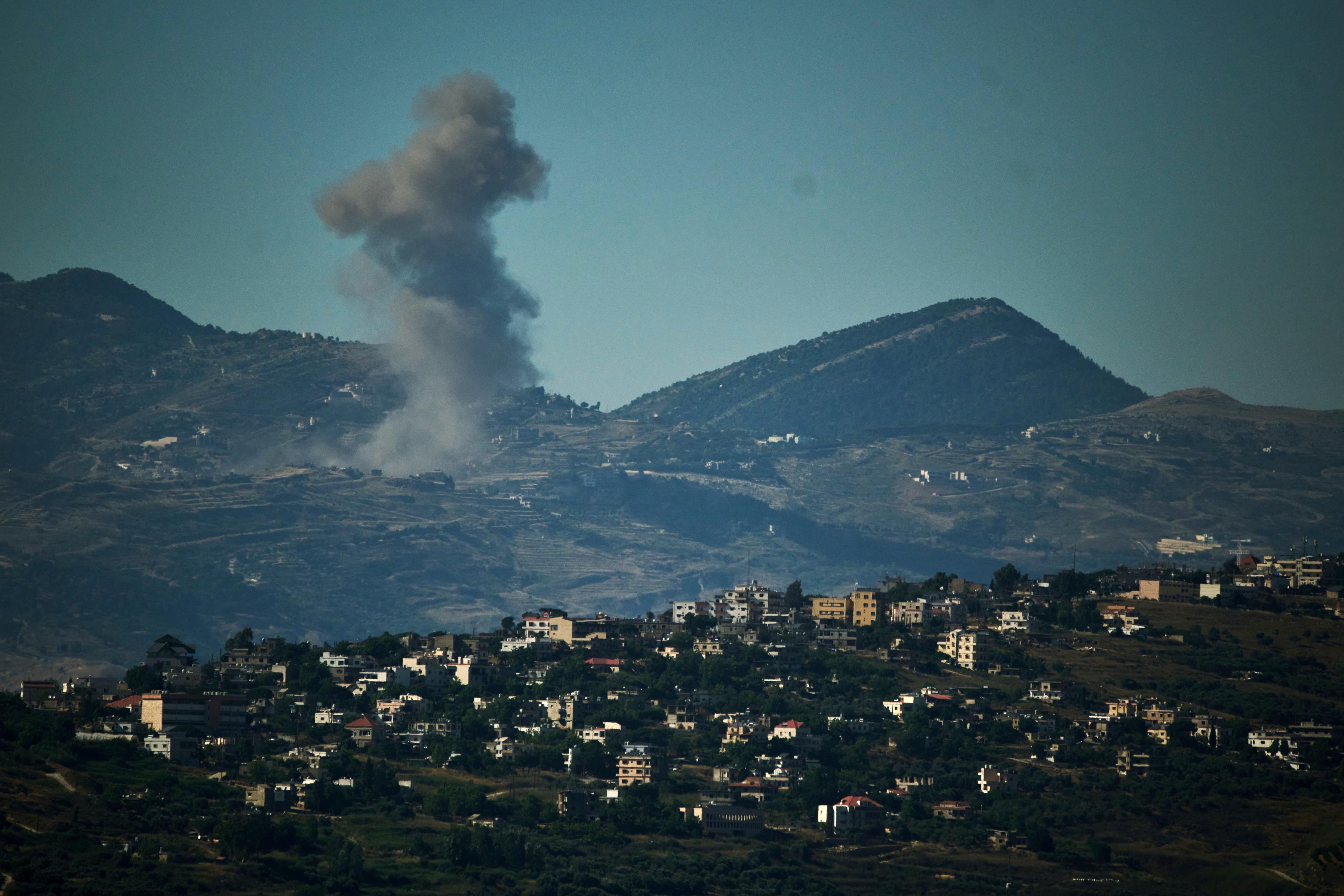
- The Memorandum calls for ending the fighting on all fronts. This limits Israel’s freedom to attack Iran. Further, by including Lebanon in the treaty and upholding its territorial integrity, the Memorandum limits Israel’s “right” to murder and destroy its next-door neighbor and Iran’s Lebanese ally Hezbollah.
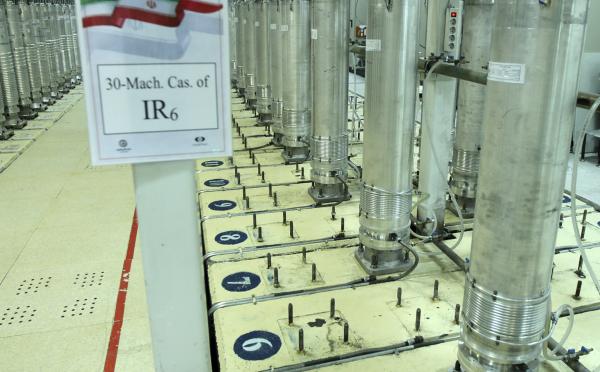
Centrifuge machines in the Natanz uranium enrichment facility in central Iran, November 5, 2019. Photo: AP/Atomic Energy Organization of Iran
- The Memorandum does NOT demand that Iran dismantle its entire nuclear enrichment program as Trump originally called for, implying Iran will maintain some level of its program, the exact terms of which will be worked out later.
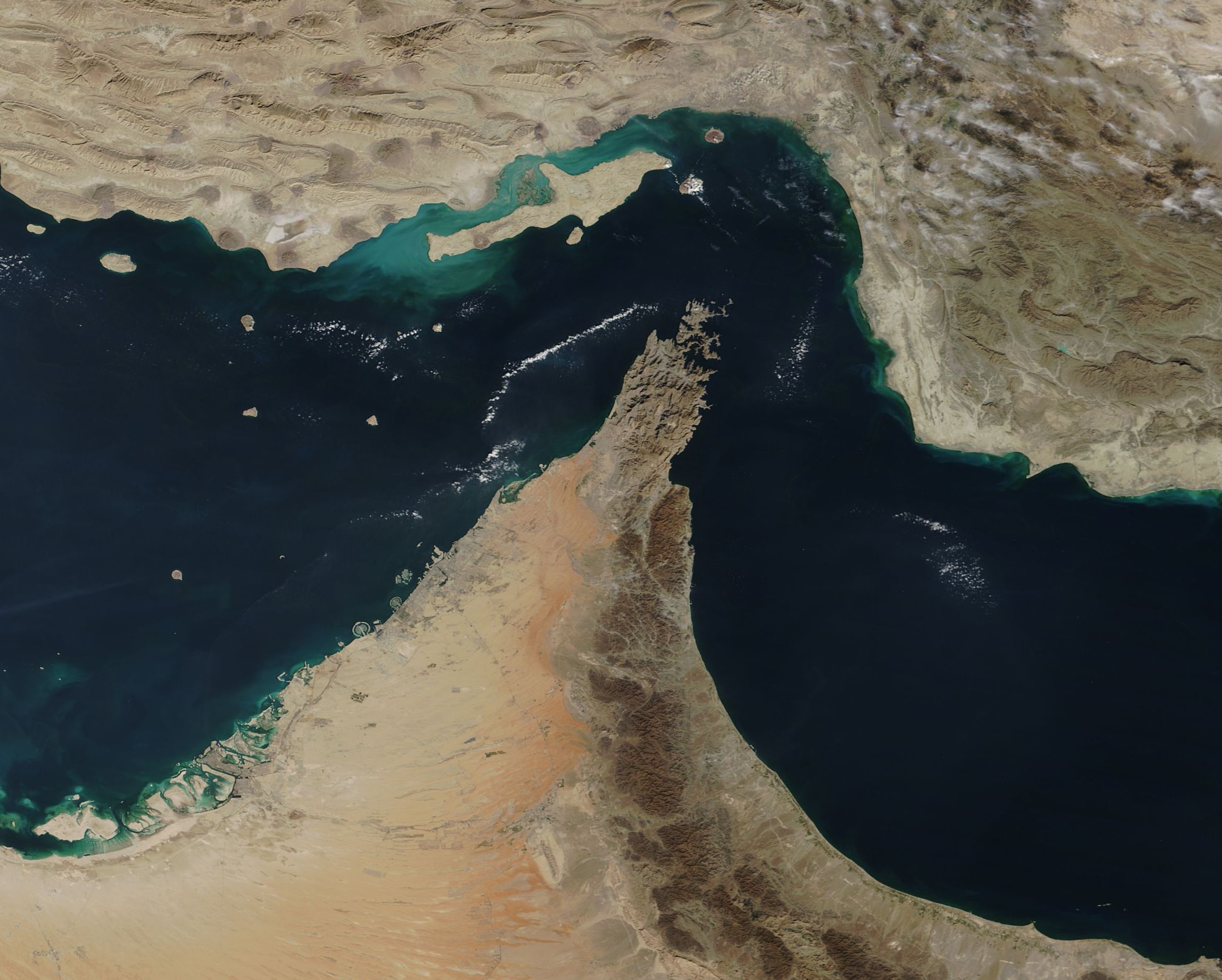
- The Memorandum calls for Iran to allow free passage through the Strait of Hormuz. Iran has used a “fleet” of speedboats and mines to effectively shut down the Strait and this has caused enormous problems in the world economy—including the huge rise in the price of oil. The Memorandum recognizes Iran’s right to exert influence on the Strait of Hormuz going forward in return for Iran allowing the free flow of shipping for the next 60 days. Since this right was not recognized prior to the war and Iran had, in fact, not attempted to do this before the war, this amounts to a win for Iran.
- The Memorandum immediately lifts the sanctions preventing Iran from freely selling its oil.
- The Memorandum opens the door to lifting all sanctions against Iran and unfreezing Iranian assets held around the world worth billions of dollars.
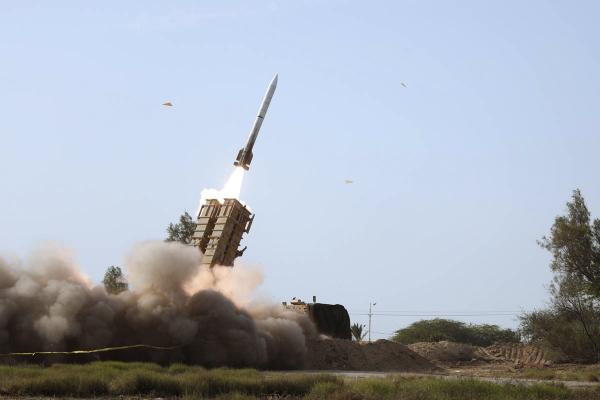
Ballistic missile fired during Iranian Army drill in southern Iran, January 19, 2024. Photo: Iranian Army via AP
- The Memorandum puts no curbs on Iran’s ballistic missile programs.1
These concessions and benefits are a far cry from previous U.S. negotiating positions dating back 47 years to the founding of the Islamic Republic of Iran. The original U.S.-Israeli war aims included the total elimination of all of Iran’s nuclear material and technology, the elimination of Iran’s ballistic missile capability, and the stopping of all support for other jihadist (Islamic fundamentalist armed groups) around the region. None of this is included in the Memorandum and, as we have outlined, in some cases just the opposite has not only occurred, but has now been officially recognized by the U.S., at least in this MoU.
A Dangerous Political Fallout For Trump
So this Memorandum is widely, and correctly, perceived to be a victory for Iran. The U.S. has essentially achieved none of its war aims. The only concession that it got was Iran’s agreement to reopen the Strait of Hormuz to shipping traffic. The Strait was open before the U.S. and Israel started this war. Iran’s seizure of the Strait crippled the world economy and raised the specter of even more economic shocks the longer it went on. While the U.S. tried to break the blockade, it could not find a military way to do so—or at least a way that would not have involved more U.S. casualties and more of their military being tied down in the Mideast than the Trump regime was prepared to accept. Accepting this Memorandum essentially was a move by Trump to cut his losses.
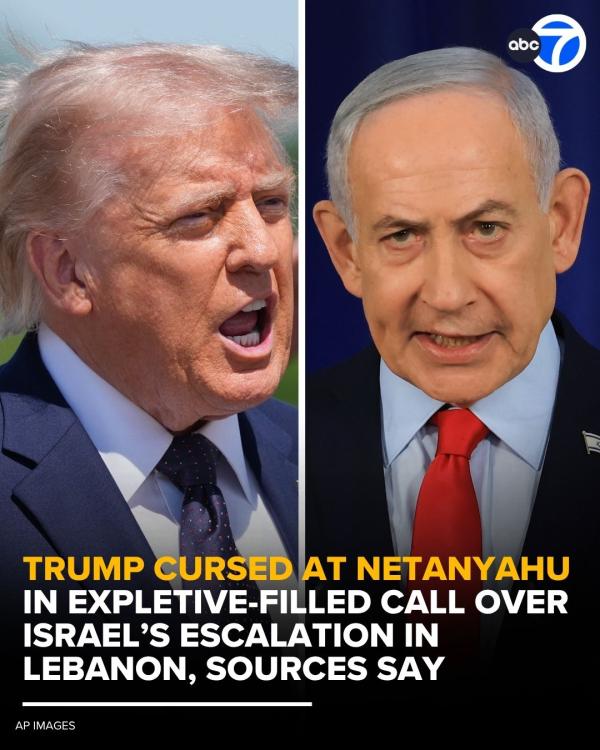
Photo: IG ABC
But accepting this Memorandum has come with a cost—a huge cost—to the U.S. image of “invincibility.” Worse, from the standpoint of the U.S., this has called some of its key alliances into question. Most strategically, the question of the U.S.-Israel alliance has been shaken. Israel, which had a strong hand in persuading Trump to make war, does NOT agree with this whole ceasefire move in the least, and has thus far attempted to sabotage it. On Friday, the day the MoU was to go into effect, Israel launched an attack in Lebanon against the Iranian ally Hezbollah; Iran immediately canceled the negotiation until Israel backed off. Meanwhile, Trump has begun using his trademark bullying and demeaning language against the Israeli leader Netanyahu. At the heart of this conflict between the two allies is Israel’s view that the threat of a nuclear-armed Iran is existential. Israel is an attack dog for the U.S. in the Mideast (and elsewhere) but it is not just an American attack dog; or to put it differently, Israel sees its role as U.S. attack dog as part of its larger interests. And it will do what it can to pursue what it sees as its interests
In that light, it is worth noting the opposition coming from sections of the Republi-fascists. This included former Trump vice-president Mike Pence who wrote on X that, "The reported MOU with Iran smacks of the kind of appeasement that we saw during the Obama years, the kind of appeasement that Joe Biden tried to accomplish and was ignored by the Iranians, and the kind of appeasement we categorically rejected during the first Trump administration.”
Other Republi-fascist forces, as well as some key Democrats, have also attacked this as giving too many concessions to Iran. Where all this goes is highly uncertain.
What Were The Pressures Forcing Trump To Accept the Memorandum?
The Strait of Hormuz, December 6, 2018. NASA
It is true that U.S. and Israeli bombs and missiles, as well as sanctions and other long-term U.S. measures, inflicted severe damage on Iran’s military, economy and society and have murdered at least several thousand people, including nearly 200 schoolgirls on the first day. The U.S. and Israel also targeted the Iranian leadership in the hopes that the regime would collapse. But the Iranian regime did not in fact collapse, nor did they try to fight the imperialists in conventional ways. Instead, they used drones and other forms of asymmetric warfare and most of all, they mined the Strait of Hormuz and effectively shut down shipping traffic.
Over 20 percent of the world’s oil goes through the Strait of Hormuz. The Iranian shutdown sent prices for gasoline, fertilizer and other essentials shooting up. Meanwhile, as the world’s oil reserves were drawn down, the threat of even worse economic shocks grew larger. Capitalism-imperialism has created a highly interknit world and this interknittedness has taken a leap in the last 30 years. When Trump explained his acceptance of the Memorandum by saying that he didn’t want to be “another Herbert Hoover,” he was referring to the U.S. president during the “great depression” of 1929. Trump went on: “I didn’t want to see economic catastrophe. If you kept this going, that could have happened.”
That’s a strong argument. But the problem from the standpoint of Trump’s fellow imperialists is that if the MoU’s pledges are fulfilled, the Islamic Republic could potentially emerge from the war in a strengthened position in the Middle East. That’s not all. Both China and Russia, who have been pursuing their own interests through this war by supporting Iran in different ways, could emerge in a significantly stronger position. And that in turn could increase the danger of wider, more dangerous war—on a much larger scale than what we have witnessed over the past few months. Why? Because these imperialists are compelled by the very expand-or-die dynamics of their system to view every gain by a rival as a loss for them and what starts out as just going “tit for tat” can end up spiraling out of control.
It is not that all of this will, or is necessarily even likely, to happen. But the chances of something like it happening are significantly greater now than they were on February 26, the day before Trump launched the war.
Those Are Their Interests… But Where Do Our Interests Lie?
There are many voices in the media right now, from MSNOW to Fox to all the major politicians and beyond, all clamoring about what “we” should do and how “we” should look at it. For all their differences, though, when they say “we,” they mean Americans.
Stop thinking like Americans.
Start thinking about humanity.
revcom.us @therevcoms
But as we have said at this website, “Stop thinking like Americans. Start thinking about humanity.” How about approaching this war and everything else from the standpoint of the eight billion people in the world and their interests in a better life, worthy of human beings?
- Humanity has no interest in the U.S. being able to dominate and even threaten total destruction against Iran while it funds, arms and diplomatically backs Israel’s genocidal war against Palestine.
- Humanity has no interest in the U.S. succeeding in its reactionary imperialist wars that have murdered 15 million people just since the end of World War 2.
- Humanity has no more, or less, interest in the reactionary theocratic Islamic Republic of Iran getting nuclear weapons than it does in the U.S. and Israel—who do have them—using them to blackmail and bully the whole world.
In fact, if you proceed from the interests of the eight billion people on our planet, nobody should have these monstrous weapons! And that especially goes for the U.S., the only power ever to use them—and the only power whose lunatic and sadistic head of state right now constantly threatens to use them.
In the words of Bob Avakian:
We, the people of the world, can no longer afford to allow these imperialists to continue to dominate the world and determine the destiny of humanity. And it is a scientific fact that humanity does not have to live this way.
This means raising our voices NOT to take sides in the debate between the imperialists, but to demand an end to this war—NOW! And it means—most of all, in this urgent moment when humanity is truly on the brink, to get into the only way out of the madness: the new communism, brought forward by the revolutionary leader Bob Avakian.